
Candler County Active Warrants Explained
Think of an active warrant as one the court and law enforcement still count as open. It may sit unserved, unreturned, and unrecalled. Nothing about that process speaks to guilt or innocence. An arrest warrant grows out of a judge's finding of probable cause; a bench warrant usually follows a missed court date or some other duty left unmet. In Candler County, though, there is no public database, roster, API, or most-wanted page to browse. The sheriff's online menu covers records requests, reports, complaints, press releases, and quarterly reports, but no name-search list. For a question about yourself, call the Candler County Sheriff's Office at 912-685-2568. Ask what ID they need and whether staff will answer by phone.
No Public Candler Warrant List
Missing a public list does not mean Candler County has no outstanding warrants. It means the sheriff and the courts keep them out of public view. Deputies can tap internal state and federal law-enforcement systems, and each court holds its own case and warrant records. Neither channel works as a countywide search box for you. That gap is why one narrow official inquiry beats scraped name lists, stale arrest stories, or payment screens. Old press releases can linger online long after the facts change, and a private roster may miss a new warrant or keep repeating a dead one. Confirm your own status with CCSO and the issuing court, not with a third-party page.
Key Point: Candler County publishes no public active-warrant list, so confirm any warrant status directly with the sheriff or the issuing court.
How Candler County Tracks Active Warrants
A Candler County warrant record can pass through several hands. Magistrate Court takes applications and may issue arrest or search warrants. Superior Court handles felonies. State Court covers misdemeanors and traffic, while Metter Municipal Court takes city traffic and ordinance cases. The sheriff serves papers countywide, including Metter, Pulaski, and the unincorporated areas. The Clerk of Court manages filings for Superior, State, Juvenile, and Magistrate courts, and a call to 912-685-5257 can tell you which court owns your case and what office handles the next step. A clerk can walk you through court process. What a clerk cannot do is erase a warrant or promise an outcome. City of Metter matters should start at the municipal court.
Note: Status may change after a phone check, and a database can lag a court order, service return, or recall.
GCIC Is Not Candler Warrant Search
The Georgia Crime Information Center gives sworn officers round-the-clock access to wanted-person files and ties into national systems. For residents, it is not an online Candler County warrant search. The GBI also warns that access and dissemination are controlled by law. The official GCIC program description documents that law-enforcement layer.
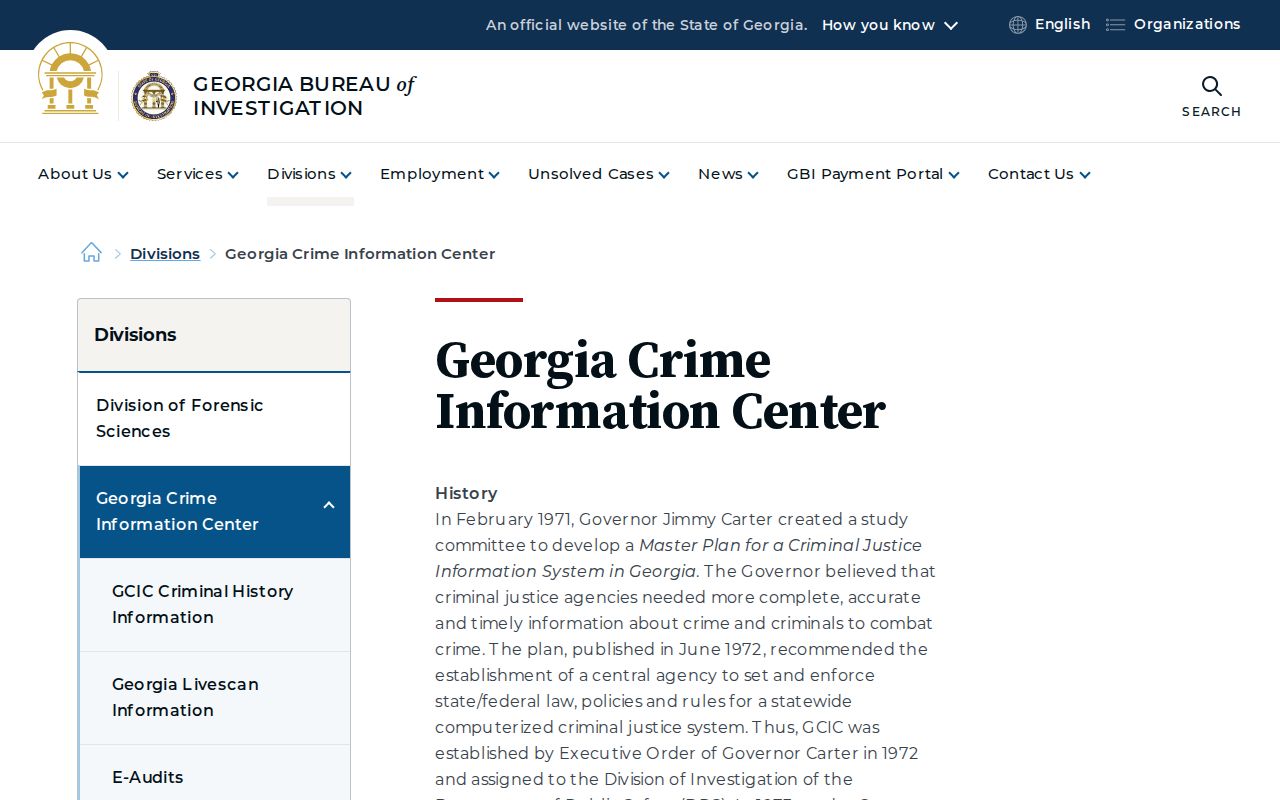
That split explains something you might notice in Candler County. An officer can see current warrant data that no public page will ever show you.
Inside an Active Warrant Record
A warrant record may list a legal name, a case or warrant number, an issue date, the warrant type, the issuing court, the underlying proceeding, the service return, the status, and any bond or appearance terms tied to the case. Candler County publishes no sample entry and no local warrant-number format. Officials can also withhold or redact any field when law, a court order, or an active investigation calls for it.
| Case or warrant number | A tracking reference assigned by the court or agency; the formats may differ. |
|---|---|
| Issuing court | The court that controls judicial recall, quash, and disposition. |
| Warrant type | Arrest, bench or failure to appear, search, or another stated process. |
| Issue date | The authorization date, which may differ from entry or service dates. |
| Status | Active, served, returned, recalled, quashed, dismissed, or another defined state. |
| Bond or appearance | The court's current case-specific terms, when public and applicable. |
When you ask, make the office define its labels. A warrant marked returned is not necessarily a closed case, and served never means dismissed. Candler County staff can clarify what each term means for you.
Verify Candler County Warrant Status
Gather your legal first and last name, date of birth, county, and any case or citation number before you call. For a routine inquiry, call CCSO rather than 911. Ask whether they can confirm an existing Candler County warrant, which court issued it, and whether you must appear in person. Georgia guidance is blunt on one point: a person who shows up while a warrant is active may be taken into custody.
- Separate a county matter from a Metter municipal ticket or a federal case.
- Call CCSO and ask what ID and facts staff need.
- Call the named court or Candler County Clerk for case status.
- Ask whether the warrant is active, served, returned, recalled, or quashed.
- Consult counsel before a walk-in response when arrest is possible.
No Candler County office posts surrender hours, a warrant counter, or a warrant bond schedule. Call ahead.
Warrant Roundups and Most-Wanted Lists
Candler County runs no local most-wanted program, warrant roundup, reward schedule, or set update cycle. The sheriff's press-release page is not a live warrant list, and an older announcement can stay online after a warrant is recalled or served. Status shifts with arrests, returns, recalls, and court orders. The sheriff does publish a tipline at 912-685-8649, but the contact page does not sell it as a personal status service, and it promises neither anonymity nor rewards. For questions about your own warrant, use the main number. The GBI BOLO program is a separate statewide tip resource.
Program Boundary: This resource never republishes names, photos, mugshots, or a roster. Official lists should be described and linked only.
State Tips Versus Candler Warrants
The GBI BOLO page takes investigative tips at the state level. It is not a Candler County warrant lookup. Don't use it to chase a personal case record. Immediate danger goes to 911; a routine warrant question goes to CCSO or the issuing court. The official Georgia BOLO page shows that separate state tip function.
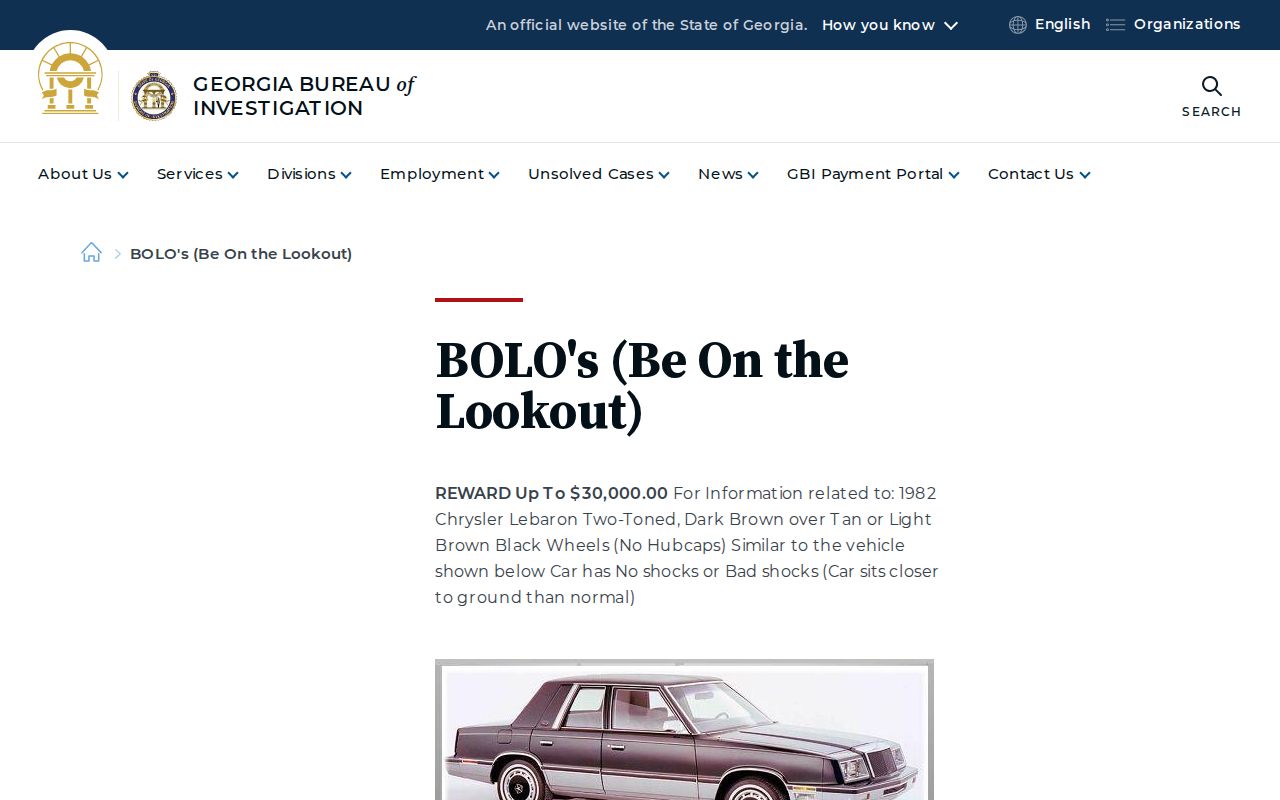
Match the channel to the job. A Candler County tipline takes crime tips, not warrant records questions.
Candler Outstanding Warrant Records
Candler County warrant records can be requested under the Georgia Open Records Act, though exemptions and court orders still control what gets released. A good request names the custodian, the record type, a date range, and a preferred format. The CCSO online form is the direct sheriff route. The county Board's request page tells requesters to send sheriff and court records to those offices instead of the Board. Georgia's official open-government guidance says an agency should produce responsive records within a reasonable time, never more than three business days, unless exceptional circumstances apply. If the records are not ready by then, the agency owes the requester an estimate covering time, cost, and any exemption it claims. Copy charges can run 25 cents per page, and reasonable search costs may apply after the first 15 minutes. The Attorney General's open-government FAQ spells out those timing and cost rules.
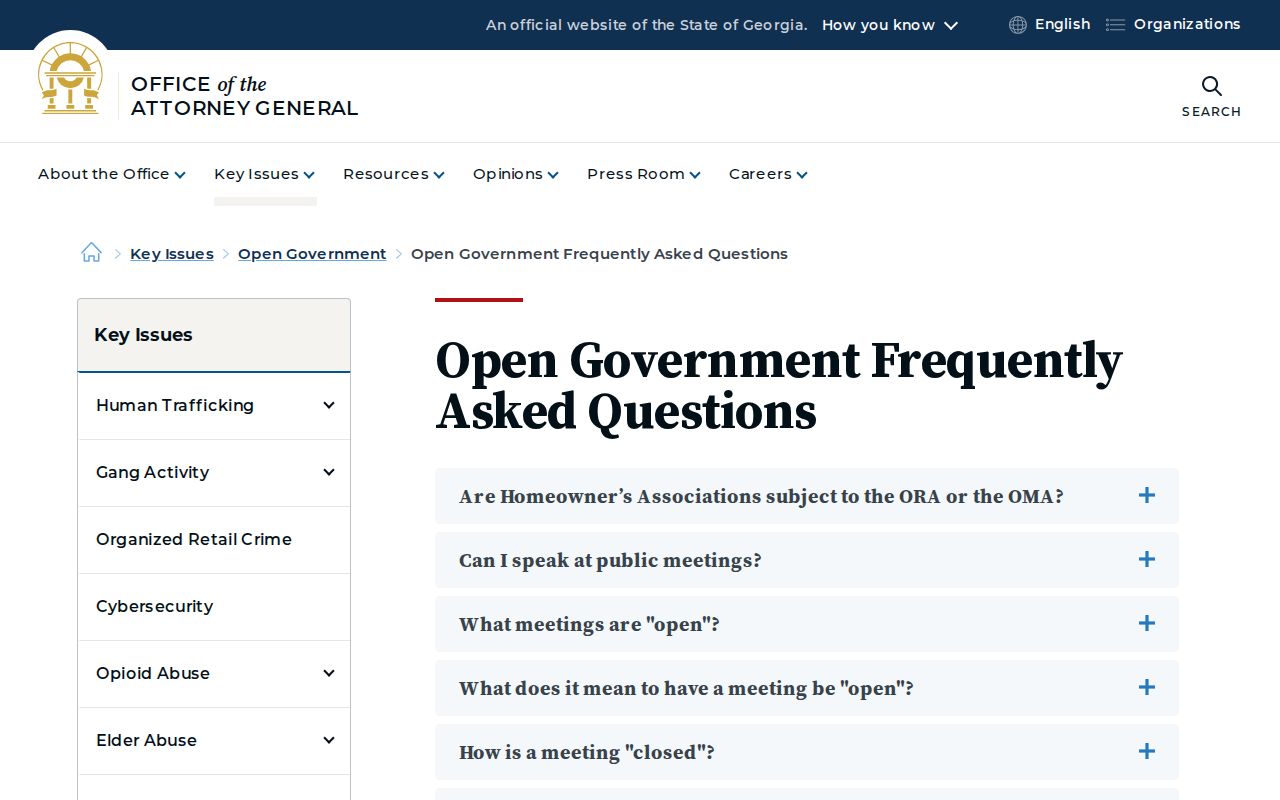
Those rules cover access to Candler County records. They do not touch a warrant's legal force or any court deadline.
When Your Name Is on the Warrant List
An official source has confirmed a Candler County outstanding warrant in your name. Start by getting the court and the case number. Then ask the court what it allows: an appearance, bond, a reset, lawful payment, or a motion to recall or quash. Recall means the court withdraws the warrant. Quash means the court sets the process aside. Neither happens just because a web result disappears. Georgia recognizes several release forms, among them recognizance, cash, personal surety, commercial surety, and property where applicable. Candler County publishes no warrant-specific bond amount or accepted-surety list. Check the exact court order and the current sheriff procedure. Keep every receipt and written order, and ask how the update reaches the sheriff or state system. The Georgia DDS failure-to-appear page explains the separate license consequence that court notice can trigger.
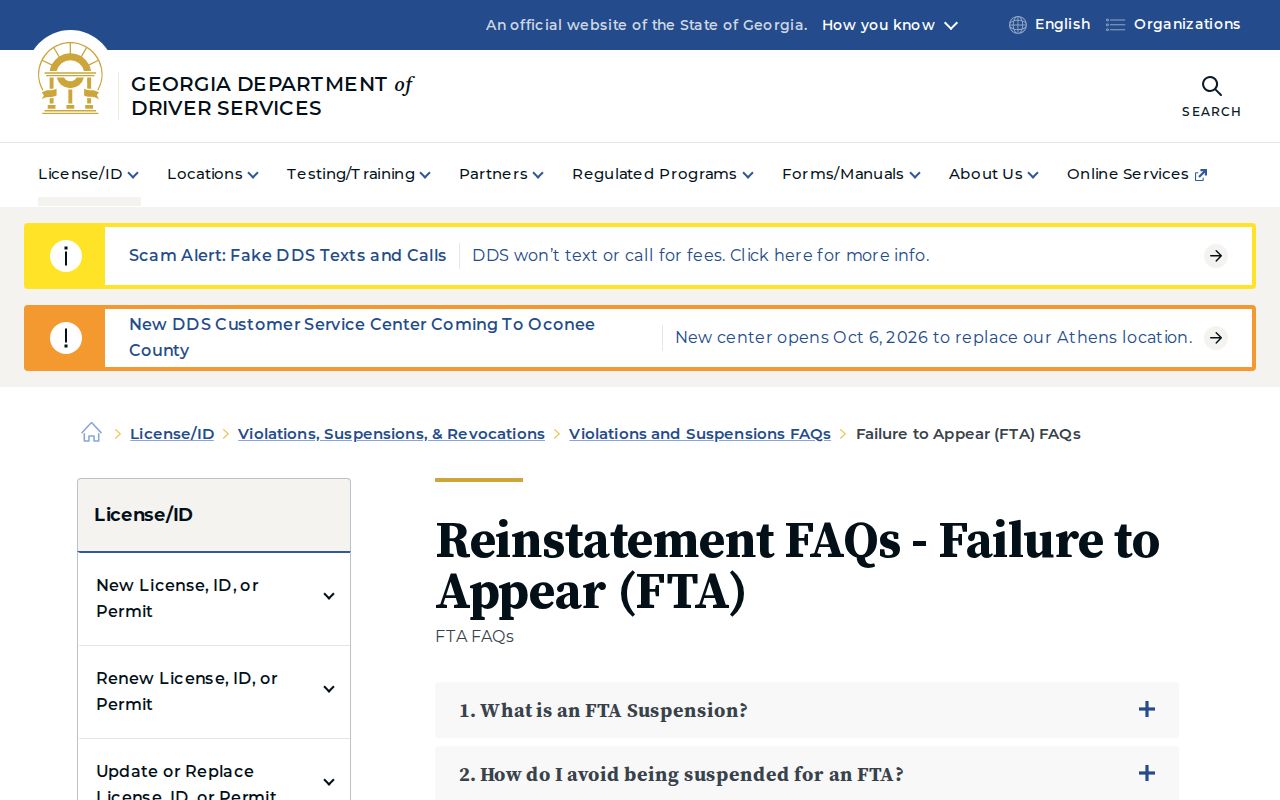
DDS status is not a warrant search. Fix the court matter first, then confirm any required release reached the licensing system.
Important: Contact a Georgia attorney before surrender or an in-person inquiry because an active warrant can lead to immediate custody.
For the wider steps, see the Candler County warrant records overview. A records request cannot recall a warrant or pause a deadline.